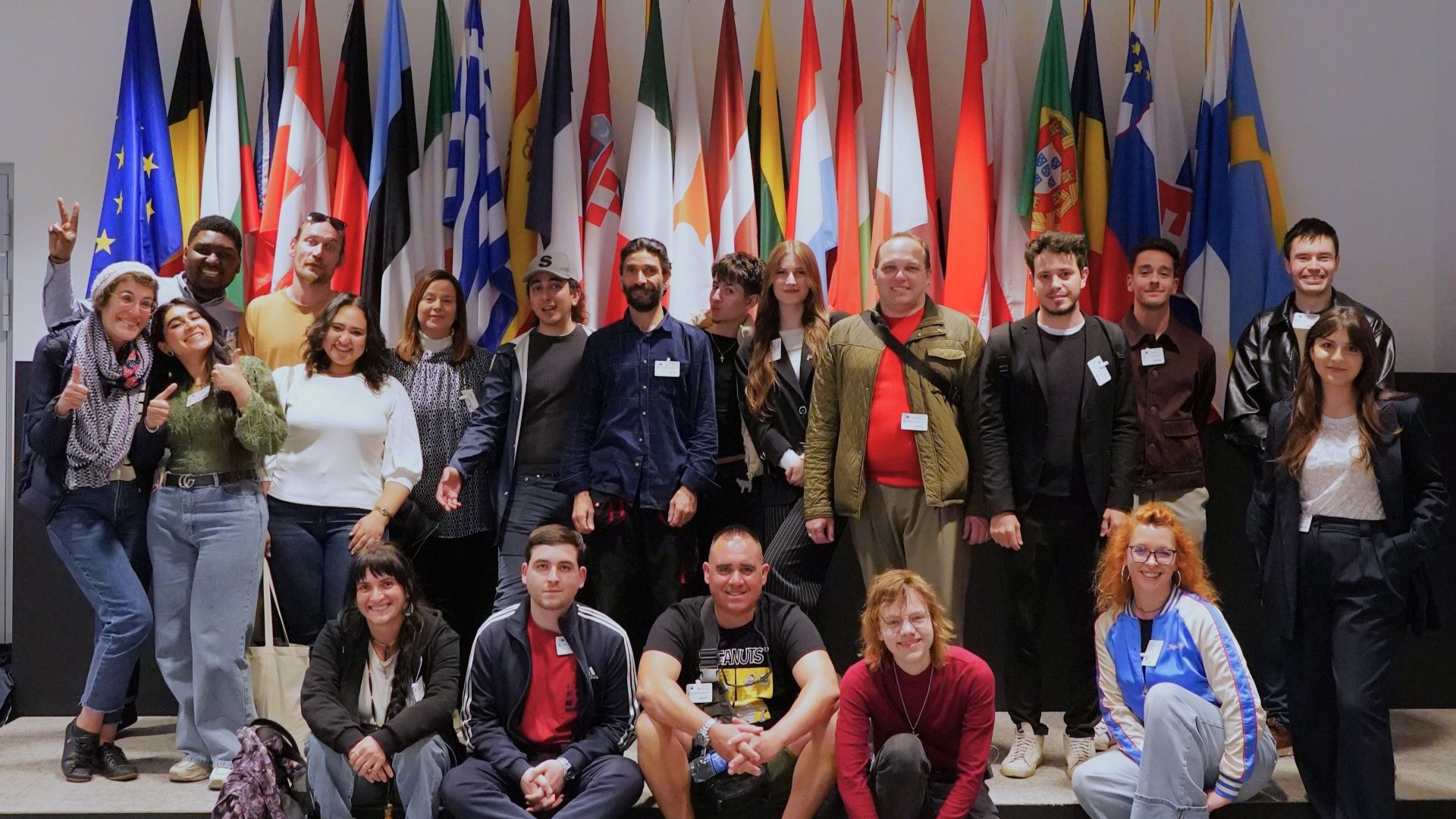
Over fifteen months, a Luxembourg–Italy youth partnership set out to put artificial intelligence into the hands of young women.
Artificial intelligence is shaping how we work, study and make everyday decisions – but not everyone is arriving at that future on equal footing. The figure that set TECH QUEENS in motion came from research which found that young women are roughly a quarter less likely than young men of the same generation to use AI tools, the widest gender gap of any age group.
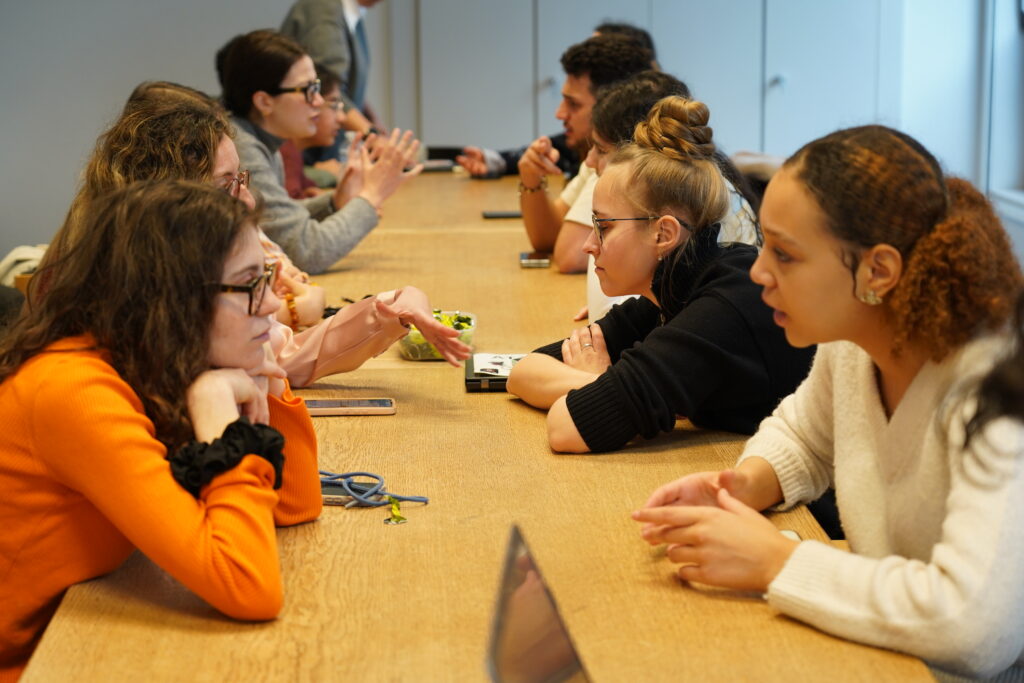
That gap matters for two reasons. First, the people who use and experiment with AI today help shape how it behaves tomorrow; if women are underrepresented among early adopters, the tools risk being built around everyone else’s needs. Second, the economic exposure runs the other way: analyses cited during the project suggested AI stands to disrupt a larger share of roles typically held by women than by men. In short, the group with the most to lose from AI was also the group least engaged with it. TECH QUEENS was built to change that – starting not with code, but with confidence and access.
The target group was deliberately specific: Gen Z women – undergraduates, recent graduates and early-career professionals – coming largely from non-STEM backgrounds. Curious about AI, but with little structured exposure to it.
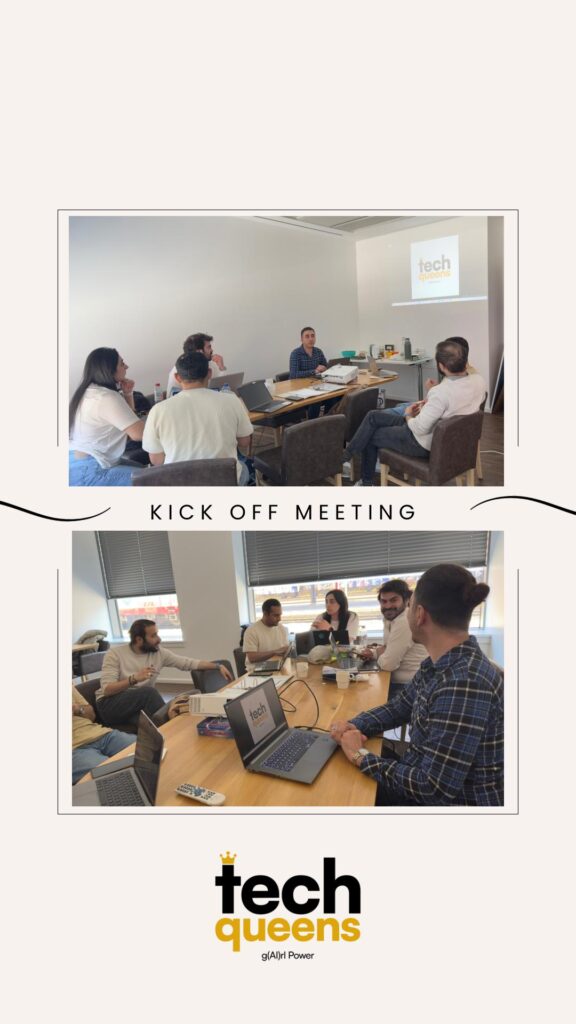
The project was led by AMITIES LUXEMBOURG – ARMENIE ASBL (ALA) in Luxembourg, working alongside Aps Senza Confini in La Spezia, Italy.
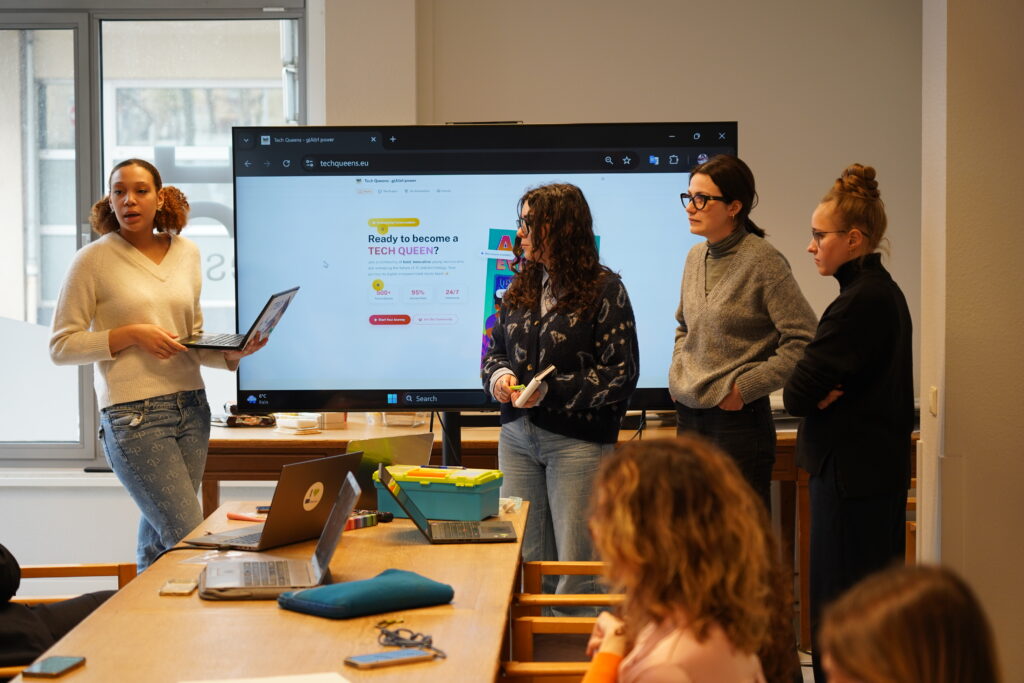
Step one – foundations. A free, six-week online course introduced the essentials of AI and machine learning: how algorithms learn, where data comes from, and the ethical questions that come with it. Built for people without a technical background, each weekly module took around four hours, paired with regular live Q&A sessions and a final assessment. Crucially, the course was designed to stay online and openly available well beyond the project — a resource, not a one-off.
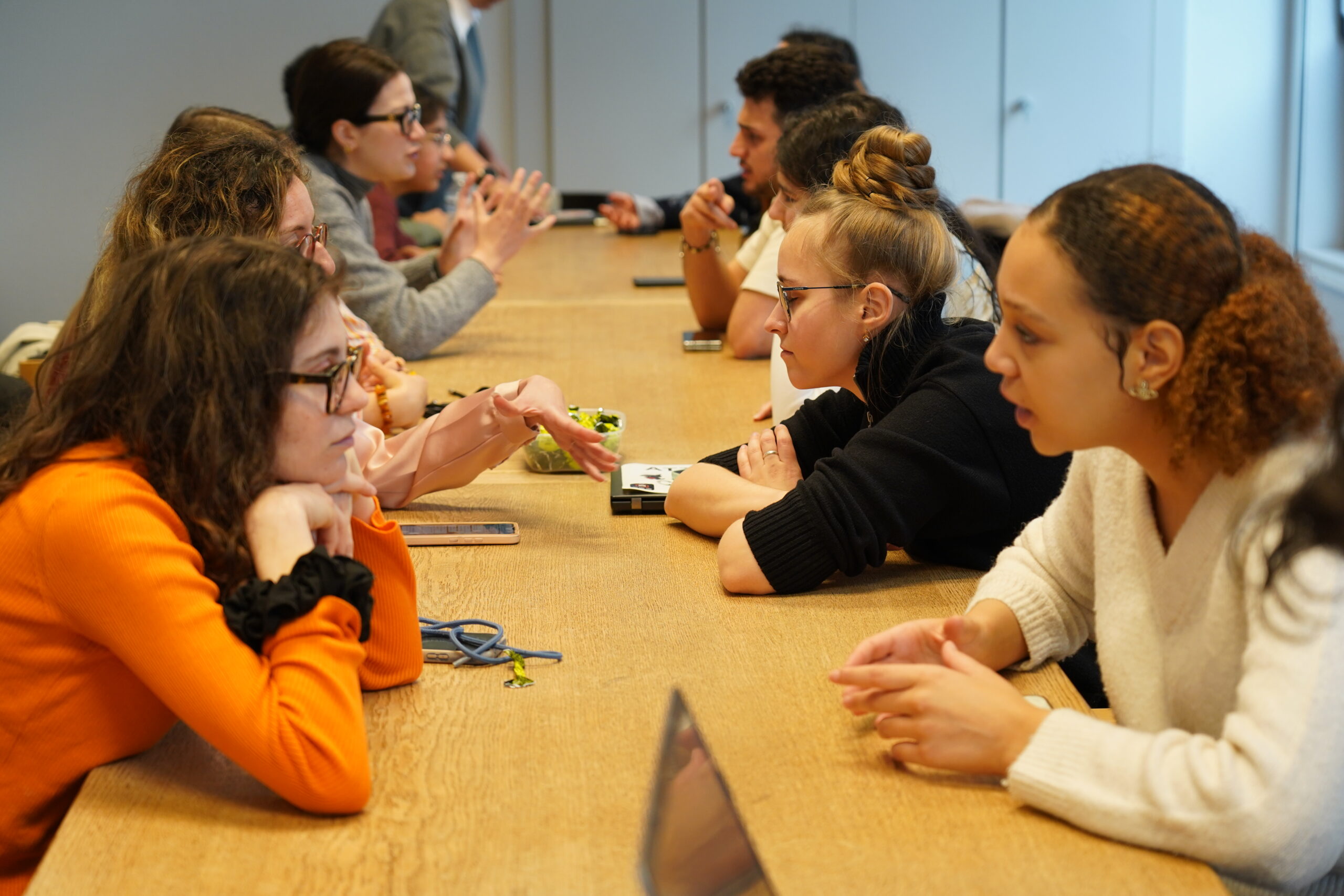
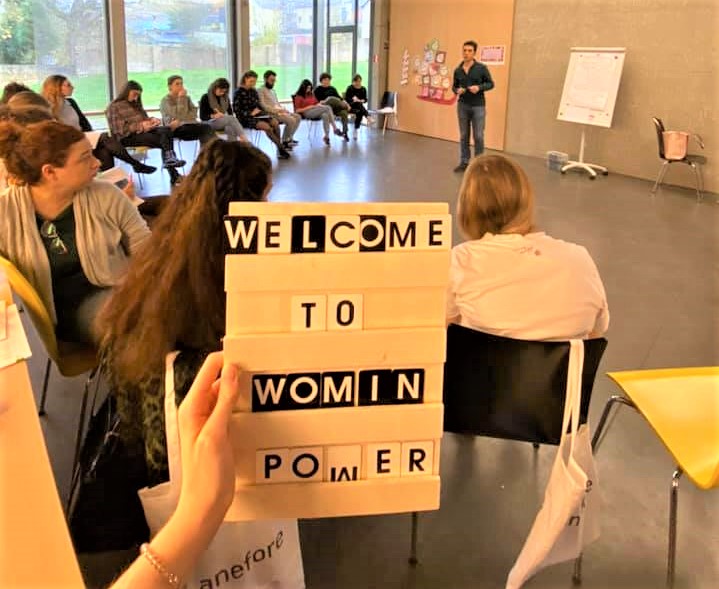
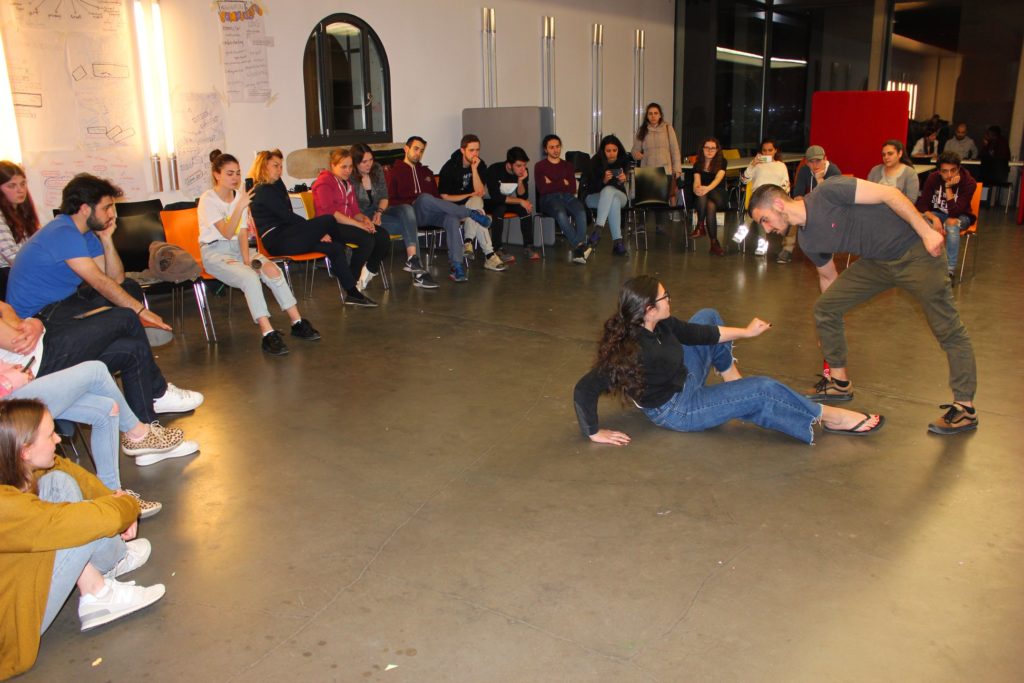
Step two – engagement workshops. Participants who completed the course could go further through a series of hands-on workshops exploring AI in daily life, personal growth and professional tasks. The emphasis here shifted from understanding AI to using it well – learning to ask better questions, apply AI to real situations, and recognise how their own interactions help shape the technology.
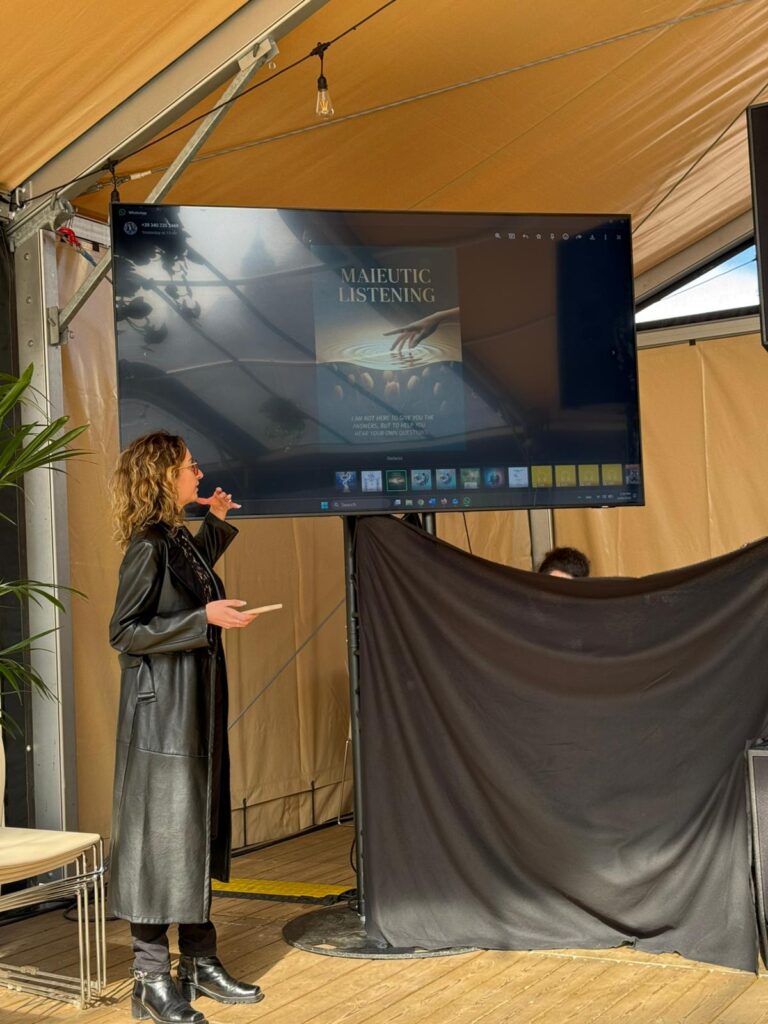
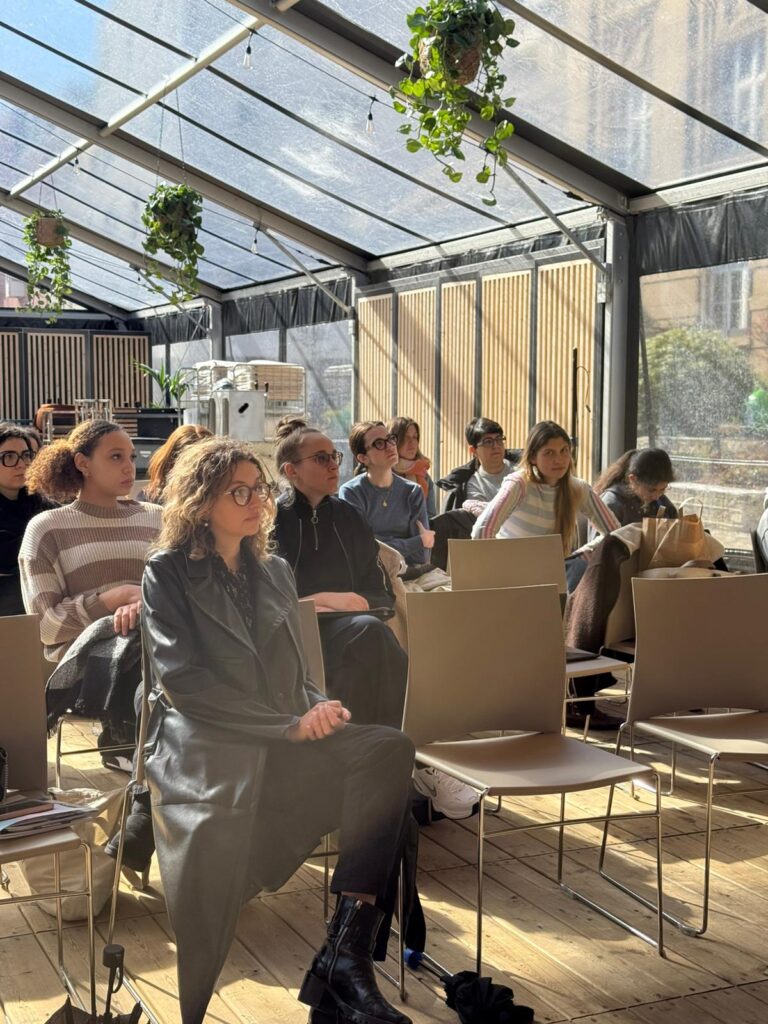
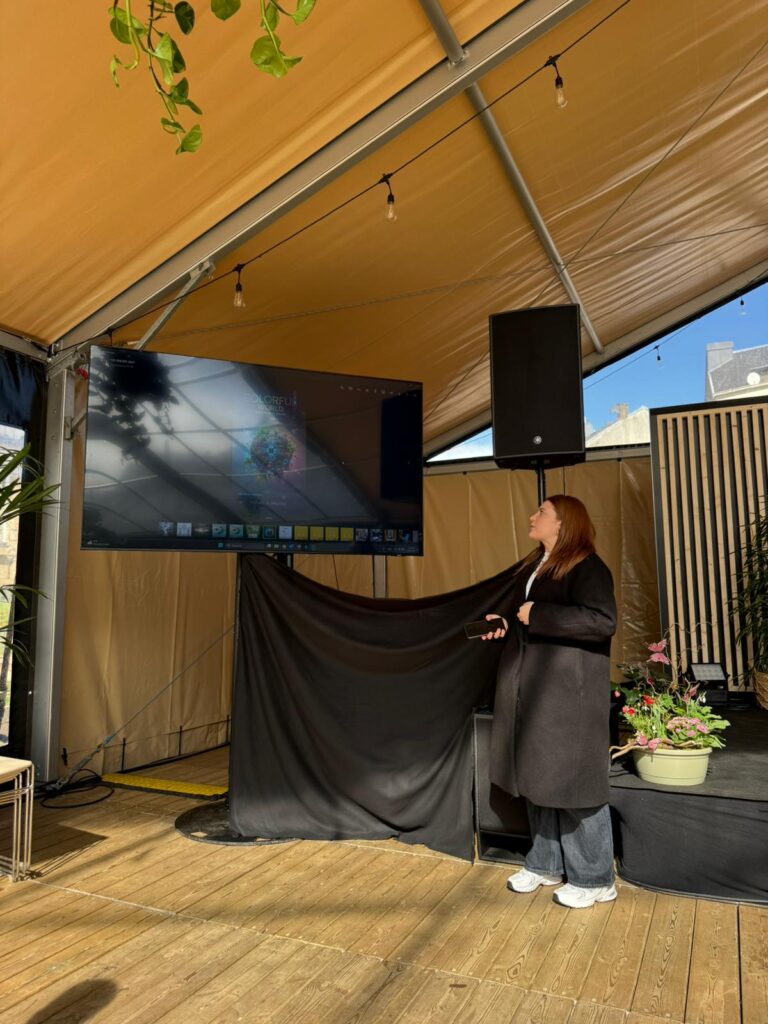
Step three – industry networking. The programme culminated in an AI Industry Networking event in Esch-sur-Alzette, Luxembourg. Professionals working with AI across sectors such as finance, healthcare, marketing and the creative industries shared how the technology shows up in their fields, followed by panel discussions and open networking – turning new skills into new connections and a clearer view of where AI careers can lead.
The most durable outcome is also the simplest: the online course remains open and free, so that women who never enrolled during the project’s lifetime can still benefit from it. The participants who took part become multipliers in their own right – sharing what they learned with friends, families, colleagues and employers, and widening the circle of women who feel that AI is theirs to use too.
TECH QUEENS – g(AI)rl Power (TQ-GP) was a Small-scale Partnership in Youth co-funded by the European Union. Views and opinions expressed are, however, those of the author(s) only and do not necessarily reflect those of the European Union or the European Education and Culture Executive Agency (EACEA). Neither the European Union nor EACEA can be held responsible for them.